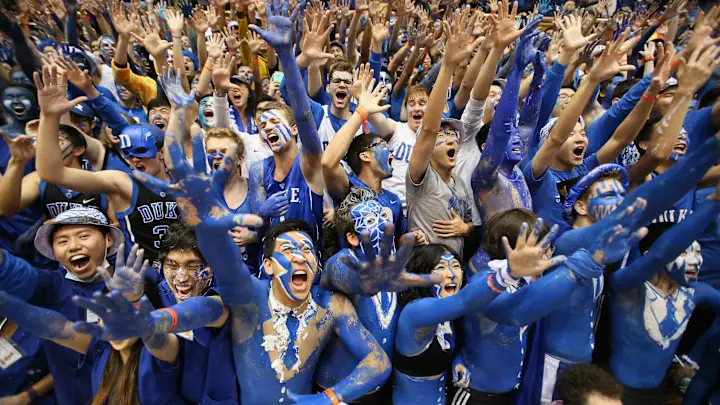
If you have ever been to a college game, you can tell where the student section is almost instantly. Students screaming chants, painting bodies, and doing some pretty bizarre things to support their team create a vibrant atmosphere.
I am Grant Gordon, and I have been a part of one of the rowdiest student sections at the University of Arkansas for four years. I want to highlight how student sections make fans feel like they belong, create fun traditions, and help their home team win. They capture the very essence of college sports.
Student sections matter. They are not just for fun; they make a true difference. Chants, songs, and painted-up bodies help students feel a part of a group, igniting a sense of camaraderie that extends beyond just a game day. The energy in these sections can transform an entire stadium, making it feel alive and electric. Traditions in sports help connect sports fans from one generation to another, bridging gaps that usually separate age groups. Things like the Arkansas Hog call or the LSU Tiger Rag become more than mere rituals; they morph into a shared language that connects a 6-year-old to an 80-year-old, fostering a unique bond over shared experiences and memories.
According to USA Today, schools with above-average student sections see higher attendance, which contributes to stronger home-field advantages. This isn’t just anecdotal evidence; it’s backed by research demonstrating that a robust student section plays a key role in creating an intimidating environment for visiting teams.
Student sections can even help teams win. Loud cheers and distractions make it harder for the opposing team to focus and engage in sport activity with a clear mind. Creating chaos in the head contributes to chaos in action. Research in sports psychology shows that organized home crowds increase a player’s confidence and performance while negatively affecting the opposing team. This fact alone proves that fan culture is not only social but can also influence the outcome of the game. It is a dynamic interaction that turns mere spectators into instrumental players in the game’s unfolding narrative.
Beyond just performance, student sections also teach valuable life lessons, such as teamwork and creativity. Planning outfits, chants, or even trash talk requires connectivity from all different types of students. It’s an exercise in collaboration, where fans unite to work collectively toward a common goal, which ultimately strengthens bonds within the student community. For most, being part of the student section is a defining part of their college years, offering experiences that can range from exhilarating court storming moments to gut-wrenching losses that evoke shared emotions and collective resilience. These memories often linger long after graduation, shaping lifelong friendships through sports.
In the end, student sections are much more than just a crowd in the stands. They create traditions, connect students, and can even change the outcome of the game. These fans in the student section are special and are a vital part of college sports culture. They become a family unit, a support system echoing through the hallways of universities and impacting careers and lives beyond college sports. Being in the student section is more than just watching the game; it is about changing the outcome while connecting with future teachers, businessmen, and doctors.
As I continue to enjoy my time in the student section, I look forward to every game day, cherishing each moment until the day comes when I can no longer participate in this remarkable, vibrant experience.
 From The Stands
Leave a comment